Why affiliates combine channels
Search collects users with explicit intent, while social surfaces lookalikes and interest clusters that never reach a search box. Display follows users across the open web to build recall, and native articles educate colder traffic in a format that invites reading rather than skimming. Push, email, and in-app units keep warm audiences active during time-sensitive promos. Blending formats hedges policy risk, stabilizes lead flow, and unlocks better pacing during sports peaks.
Budget discipline depends on the ability to test angles and retire underperformers quickly. Each source brings a different learning loop: keywords reveal gaps in funnel clarity, social creatives reveal audience affinities, and programmatic retargeting exposes whether pre-landers explain bonus math well enough. A diversified plan draws strength from those complementary signals.
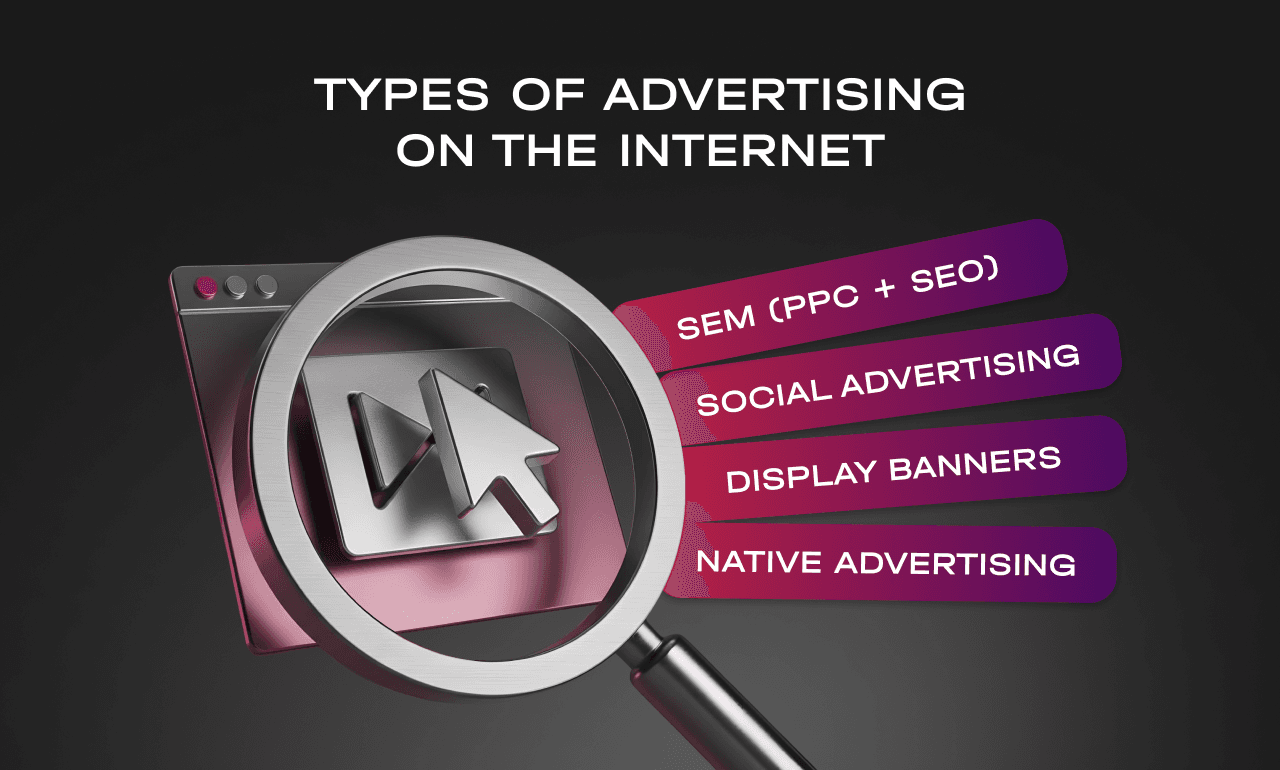
Search Engine Marketing (PPC + SEO)
Paid search captures queries with strong purchase intent, while SEO builds evergreen landing pages around reviews, bonus comparisons, and localized glossaries. Affiliates in gambling rely on well-structured keyword maps, precise negatives, and clean postbacks to keep cost per acquisition in line with revenue.
Start with exact and phrase match around localized bonus terms, brand-adjacent queries where allowed by policy, and evergreen casino vocabulary.
Maintain negative lists to block newsy, research-only, or age-restricted queries; monitor auction spikes during major tournaments.
Route traffic through a fast pre-lander or review page that clarifies wagering requirements, payment options, and support response times.
PPC provides the most consistent converter for hot intent when tracking hygiene holds. SEO compounds over time and lowers average costs. Together they anchor a portfolio built on intent rather than curiosity alone.
Social advertising across major platforms
Paid social excels at rapid creative iteration and audience discovery. Short video hooks, concise captions, and clear value statements outperform vague montage edits. Compliant setups use age gating, approved GEOs, and landing pages that mirror ad promises without exaggeration.
Retargeting pools from social often revive users who explored reviews but paused at signup. Lookalike audiences trained on quality depositors can scale, as long as creatives rotate frequently and budget increments stay measured. Social provides one of the most flexible answers when comparing different types of advertising for prospecting in gambling.
Display banners, teasers, and rich media
Display covers IAB banners, sticky units, and interstitials across the open web. Banners still matter in gambling because simple creative with transparent bonus math cuts through clutter. Teaser formats spark curiosity in markets where users respond to compact visuals and countdowns.
Use allowlists with relevant placements such as sports news, tips communities, and game guides; apply frequency caps to avoid fatigue.
Keep creative minimal: headline with the actual incentive, a visible CTA, and a micro-line about wagering requirements; avoid tiny text that vanishes on mobile.
Pair display with retargeting logic to re-engage users who touched SEO pages or social ads but did not complete registration.
Display rarely carries an entire operation alone, yet display stabilizes volume and keeps brands top-of-mind between intent bursts.
Native advertising and sponsored content
Native formats fit into the host site’s look and feel, which lowers resistance for long-form education. Affiliates use native to guide beginners through bankroll basics, bonus comparisons, and game mechanics before pitching a specific offer. Honest framing and responsible gaming notes build trust across colder audiences.
Compliance remains straightforward when claims stay realistic and terms live in plain view. Strong native funnels transition from a curiosity headline to a practical guide, then to a transparent comparison table that explains deposit tiers, wagering multipliers, and withdrawal timing without fine-print traps.
Email for retention and VIP growth
Email turns paid clicks into repeat sessions. A clean subscriber path on review pages, sports calendars with reminder toggles, and segmented flows for slots fans versus bettors increase relevance. Deliverability work, list hygiene, and mobile-first templates matter as much as copywriting.
Build triggered flows: welcome series after signup, reactivation nudges after inactivity, and event alerts before marquee matches.
Personalize with GEO, device, favorite leagues or game genres; cap frequency for users with low engagement to preserve sender reputation.
Keep CTAs singular and land users on pages that continue the email’s promise without detours.
Email lowers marginal costs and strengthens lifetime value when combined with push or retargeting for time-critical prompts.
Push notifications on web and in-app

Opt-in push creates direct lines to users who consented to quick updates. Short copy with a single incentive or event hook earns clicks, especially around live fixtures or jackpot spikes. Creative fatigue appears fast, so message banks rotate often and quiet hours respect user comfort.
Two simple rules protect results: send windows aligned with local prime time and interest-based segmentation that distinguishes slot enthusiasts from sportsbook readers. Push acts as a reminder layer rather than a discovery engine, which suits promos with short half-lives.
Pop and popunder traffic
Pops deliver a landing page in a new tab or behind the active window, which produces broad reach at predictable rates in select GEOs. Quality depends on load speed and clarity; users judge relevance within seconds. Frequency controls and strict day-parting limit waste.
Use the fastest pre-landers available with concise headlines and immediate value statements; remove heavy elements that stall first paint.
Monitor bounce rate and time on page; retire angles that fail to hold attention beyond a few seconds.
Keep targeting narrow during early tests, then expand cautiously as creative finds footing.
Pops serve as a tactical lever for volume weeks and tiers where mainstream inventory remains limited.
In-app inventory and rewarded placements
Mobile ecosystems offer banners, interstitials, and rewarded video inside apps. Rewarded formats often drive high completion rates because users exchange attention for in-app value. Affiliates adapt creatives to vertical video, larger text, and touch-friendly CTAs that avoid accidental taps.
In-app campaigns thrive in mobile-first GEOs and around sports apps during peak seasons. Alignment between reward, message, and landing page builds trust. Misaligned rewards erode engagement quickly, so testing focuses on honest previews and fast-loading mobile pages.
Programmatic buying and retargeting
Programmatic stacks unify audience targeting, pacing, and frequency across display, native, audio, and in some cases connected TV. Retargeting sequences that move from banner to native to short video can lift conversion by presenting the same value in varied forms. Clean postbacks and deduplicated reporting prevent double counting.
Build allowlists of compliant publishers; segment placements by context such as sports commentary, statistics tools, or game reviews.
Time retargeting windows around paydays and fixture calendars; adjust frequency caps for users who already clicked multiple times.
Keep creative families consistent in message while swapping visuals to reduce wear-out.
Programmatic access expands reach without losing control, which matters when evaluating different types of advertising for mid-scale operations.
Influencer and creator collaborations
Creators offer social proof and long watch times. Streamers, tipsters, and review hosts can integrate short demos, bonus explanations, or odds breakdowns into regular content. Success hinges on audience quality checks for age and GEO, clear disclosures, and landing pages that mirror the mention accurately.
Evergreen views from search and recommendations contribute long-tail traffic, so measurement windows should capture delayed conversions. Pricing varies widely; negotiation improves when payment links to performance or includes multiple touchpoints such as a pinned comment and a story reminder.
Budgeting and testing plan for gambling programs
A practical sprint spans four weeks with constrained risk and decisive iteration. Week one maps keywords and launches small PPC groups, spins up a set of social videos and statics, and publishes two native angles with a lightweight comparison page. Week two trims bottom performers, adds display retargeting, and seeds the first push opt-ins. Week three expands winning search terms and creatives while creating fresh native headlines tied to seasonal narratives. Week four revisits segmentation for email and push, steers more budget into the top two sources by confirmed first-time deposits, and reserves a test fund for a new in-app or influencer trial.
Core stack for most affiliates in gambling: search for intent capture, targeted social for prospecting, and banners or teasers for retargeting and recall.
Supporting stack: native for education, push for timely reminders, email for reactivation, and programmatic for unified control across formats.
Guardrails: transparent bonus math, age gating, GEO compliance, responsible gaming cues, and page speed budgets that favor fast experiences even on mid-tier devices.
Confidence grows when reporting aligns with business outcomes, not vanity metrics. Postbacks, UTM discipline, and anti-fraud filters protect budget and accelerate decisions.
Conclusion
For gambling partnerships, prioritize search to harvest intent, add targeted social to unlock scale, and keep banner or teaser retargeting active for steady follow-through. Native articles prime colder audiences, while push and email handle time-sensitive prompts and reactivation. Among the many types of advertising available online, this core mix delivers reliable conversions, and it outperforms less focused combinations of different types of advertising in most GEOs. As programs mature, fold in programmatic control and in-app experiments to cover more inventory without losing discipline. Use this framework to compare types of digital advertising pragmatically, then invest where data shows durable lift.